

Pack Light, Sleep Deep: One-Night Bivy and Hammock Confidence

Tonight we zero in on ultralight essentials for one-night bivy or hammock setups, translating hard-won field experience into simple checklists, realistic weight goals, and comforting routines. You’ll discover gear that earns its place, smart weather margins, and streamlined systems that reduce fuss without sacrificing warmth, safety, or joy. Learn from a dawn-to-dawn microadventure flow that leaves time for stargazing and quiet coffee. Share your questions, kit photos, and favorite tricks so we can refine our collective overnight freedom together.

Cutting Base Weight Without Cutting Safety

Light overnight freedom starts with choosing fewer, better pieces and knowing exactly why each is coming along. Think purpose over panic: enough shelter for gusts, enough warmth for clear radiative nights, and enough redundancy to shrug off minor failures. Use a simple packing discipline, weigh honestly, and plan to return with dry socks, a calm mind, and energy to hike tomorrow. Lighter kits aren’t about deprivation; they unlock time for sunsets, laughter, and unhurried sleep.

Shelter Choices in Real Wind and Heavy Dew
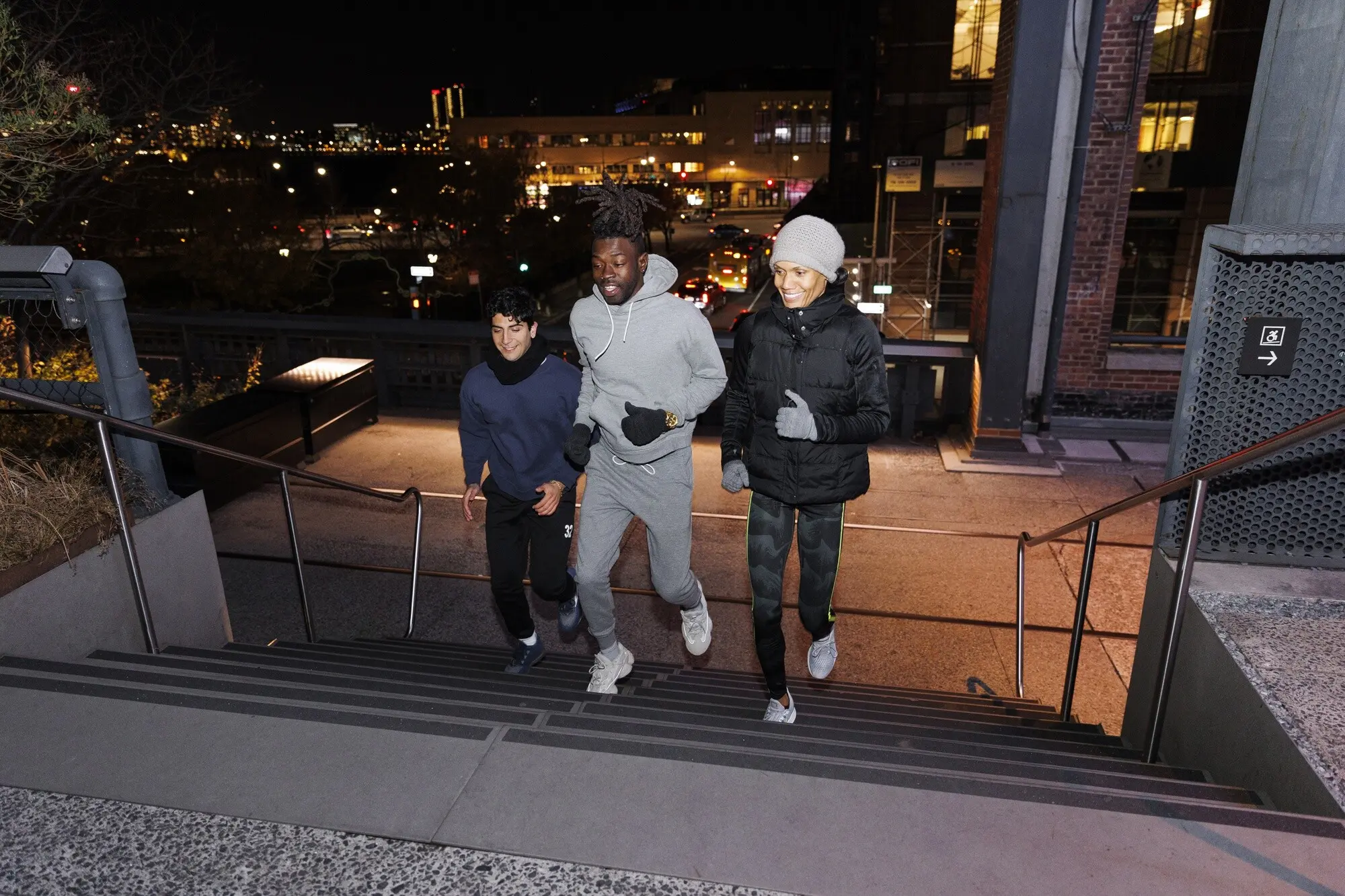
Choosing between a ground bivy with a tarp and a hammock under trees depends on terrain, bugs, and your love of swaying sleep. Consider pitch options for shifting wind, condensation from grassland radiative cooling, and site availability near dark. A flexible system saves energy when fatigue meets drizzle. Practice low and high pitches, carry proper tree protection, and trust quick adjustments. The best shelter is the one you can deploy calmly when weather surprises you.

Sleep Systems That Actually Let You Sleep

Real rest comes from matching warmth, moisture management, and surface comfort, not just chasing the lightest spec. A thoughtfully rated quilt, a pad or underquilt that seals drafts, and a tiny pillow you love turn midnight clock-watching into quiet breathing. Layer clothing carefully to extend range without overheating. Accept that clear skies can create colder predawn hours than forecasts suggest. Protect loft, keep your feet dry, and guard your morale with a comforting routine.

Fast Meals and Reliable Water Without the Bulk
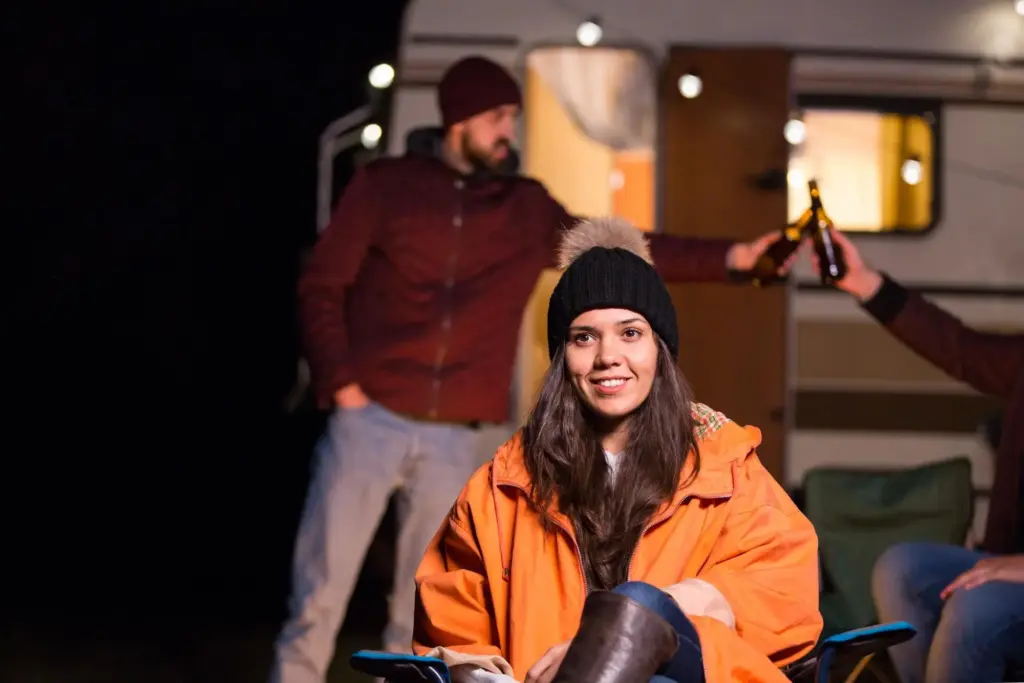
Food and water systems should support your pace, not slow it. For one night, simplicity reigns: a tiny stove or a cold-soak jar, a measured fuel plan, and a treatment method that fits your water sources. Choose calorie-dense meals that lift spirits and keep cleanup minimal. Include electrolytes if you push late. Rinse containers before sleep, store snacks handy for predawn nibbles, and keep the entire kitchen light enough to forget it’s there.

Clothing, Light, and First Aid for Small Emergencies

Wear what moves moisture and traps heat when you stop. A breathable midlayer, wind shell, and dependable rain jacket cover most overnight surprises. Add thin gloves, a beanie, and camp socks for immediate comfort. Pack a modest first-aid kit tuned to blisters, small cuts, and hot spots. A bright headlamp with a spare battery, simple navigation backups, and a whistle round out confidence. None of it should feel heavy; all of it should feel ready.

Active Insulation That Breathes on the Climb

Avoid sweat-soaked misery by choosing active insulation that pairs with a wind shirt. Grid fleece, air-permeable synthetics, or lightly insulated hoodies ride that line between warmth and breathability. Vent zippers early, manage glove on-off cycles, and keep a buff handy for quick regulation. When you hit camp, layer your static puffy over the drier base to trap heat fast. Dry feet, warm head, and calm breathing make dinner taste better immediately.

Rain Shells, Wind Layers, and Quick‑Dry Strategy

A light 2.5-layer shell blocks sideways drizzle and sudden squalls, while a featherweight wind jacket handles cool breezes without clammy buildup. Keep DWR refreshed, and choose fabrics that dry fast on your body. If soaked, gently wring, then wear layers dry with movement before bedtime. Protect your sleep kit in a roll-top liner so damp hikes never become damp dreams. Prioritize camp socks and a spare base top to reset comfort instantly.

Pack Layout, Setup Rhythm, and Dawn Departure
A Packing Map for Instant Access in the Dark

Designate a home for everything: headlamp in a top pocket, rain shell near an external sleeve, stakes and guylines in a bright pouch, and sleep kit sealed in a drybag at the core. Keep snacks and filter on the hip belt. Use contrasting pouch colors for tactile recognition. When darkness or drizzle arrives, your hands move without thinking. The result is less rummaging, warmer fingers, safer footing, and more minutes to savor twilight silence.

Rainy Setup Order That Keeps Your Quilt Dry

Designate a home for everything: headlamp in a top pocket, rain shell near an external sleeve, stakes and guylines in a bright pouch, and sleep kit sealed in a drybag at the core. Keep snacks and filter on the hip belt. Use contrasting pouch colors for tactile recognition. When darkness or drizzle arrives, your hands move without thinking. The result is less rummaging, warmer fingers, safer footing, and more minutes to savor twilight silence.

Leave No Trace Habits That Matter at 5 a.m.

Designate a home for everything: headlamp in a top pocket, rain shell near an external sleeve, stakes and guylines in a bright pouch, and sleep kit sealed in a drybag at the core. Keep snacks and filter on the hip belt. Use contrasting pouch colors for tactile recognition. When darkness or drizzle arrives, your hands move without thinking. The result is less rummaging, warmer fingers, safer footing, and more minutes to savor twilight silence.

Nilovanipalodaxinariveltoteli
Privacy Overview

This website uses cookies so that we can provide you with the best user experience possible. Cookie information is stored in your browser and performs functions such as recognising you when you return to our website and helping our team to understand which sections of the website you find most interesting and useful.