Leave the Car Behind: Overnight Escapes by Bike, Foot, and Transit
Car-Free Overnight Escapes: Reaching camps by bike, foot, or transit brings adventure within easy reach of your doorstep, transforming ordinary evenings into starry, restorative mini-vacations. In this guide, you’ll learn how to plan routes, pack light, navigate schedules, and discover legal, beautiful places to sleep outdoors, all without touching a steering wheel. Expect practical tips, vivid stories, and encouragement to depart tonight, return tomorrow, and feel genuinely refreshed.

Pedal-Friendly Paths and Quiet Roads

Seek connected bike lanes, rail-trails, and low-traffic byways that allow steady pedaling with minimal stress, especially at dusk or dawn. Map services with cycling layers reveal gradients and surfaces, while local forums highlight detours, closures, and safer bridges. Favor routes with frequent water access, wide shoulders, and transit bailouts. Build in snack breaks at parks or river overlooks, then anchor your final approach with a slow, celebratory spin that loosens legs before camp.

City-to-Trail Walks You Can Actually Do Tonight

Choose a trailhead you can reach in under ninety minutes on foot, weaving through greenways, waterfront promenades, and quiet residential streets. Look for sidewalks the entire way, prioritizing well-lit corridors and crossings. A short, steady stroll with a light pack reveals overlooked pocket parks, public restrooms, and refill taps. Keep pace conversational, avoid rush-hour crossings, and arrive early enough to claim a peaceful site without hurry, allowing twilight to become an intentional, calming part of the journey.

Ultralight Gear that Works on Wheels and Feet

Packing light multiplies joy. Focus on items that compress small, serve multiple functions, and remain comfortable after hours of motion. Think modular: a compact shelter, a reliable sleep system, and clothing that adapts to shifting temperatures. Keep tools minimal yet sufficient for basic fixes. Whether stowed in a backpack, panniers, or a framebag, weight distribution matters as much as grams saved. Start with a trusted list, test at home, then trim ruthlessly. Fewer decisions, faster setup, easier mornings.

Backpack, Framebag, or Panniers: Choosing Carriers

Pick a carrier based on terrain and distance rather than styling alone. Framebags centralize mass for stable handling, panniers simplify packing and retrieval, while a supportive backpack shines on mixed rides and hikes. Avoid overstuffing; organize small items in brightly colored pouches for fast access at dusk. Add reflective details and a handlebar light mount. The right combination reduces fatigue, protects sensitive items, and keeps your center of gravity calm when trails grow bumpy or winds rise.

Shelter and Sleep that Pack Down Small

A lightweight tent or tarp, paired with a compact pad and a season-appropriate quilt, turns a tiny footprint into genuine rest. Prioritize quick pitch times and stable anchors, especially when arriving late. Consider a bivy for minimal sites near transit corridors. Ventilation prevents condensation in humid conditions, while a small groundsheet shields fabric from grit. Test your setup in a park before departing. Efficient systems transform weary miles into cozy evenings, leaving you eager for sunrise coffee.

Clothing Systems that Breathe, Insulate, and Dry Fast

Layer smart: moisture-wicking base, breathable wind layer, and a compact puffy to trap warmth at camp. Add lightweight rain protection that packs small yet seals well at seams. Prioritize merino or technical synthetics to control odor on transit rides. Quick-dry socks and a spare pair maintain morale after unexpected puddles. Gloves and a thin beanie expand your comfort window without bulk. A simple, reliable kit shrinks decisions, steadies body temperature, and makes leaving work and rolling out effortless.

Finding Legal, Beautiful Places to Camp

Aim for sites that balance serenity, access, and compliance. Public campgrounds near greenways, hiker-biker sites along regional trails, and designated backcountry pads within transit reach all create welcoming overnight options. Verify reservation windows, seasonal closures, and quiet hours. Consider distance from water, wind exposure, and morning sun for a drier fly. When choices feel tight, scale mileage down or shift departure time. Responsible selection protects landscapes, respects neighbors, and keeps the door open for future no-car adventurers.

Reservations, First-Come Sites, and Urban-Adjacent Campgrounds

Plan around reservation systems that open months ahead while keeping an eye on first-come loops with weekday availability. Some city parks and regional districts quietly host hiker-biker areas designed for arrivals without vehicles. Read recent reviews for noise patterns, road proximity, and weekend surge behavior. If booking fails, target shoulder-season dates, or leave early to secure remaining pads. Flexibility, politeness, and a backup map of alternative sites make tight windows feel generous and help you camp stress-free.

Leave No Trace in Heavily Visited Corridors

High-use areas demand impeccable habits: stay on durable surfaces, camp only where permitted, and pack out everything, including micro-trash. Cook on a stable surface away from vegetation, and keep soap out of waterways. Respect wildlife by storing food securely and maintaining quiet at dusk. Photograph memories rather than carving them, and step around puddles to prevent trail widening. Modeling care teaches newcomers by example and ensures these close-to-home sanctuaries continue welcoming car-free travelers year after patient year.

Timing, Safety, and the Art of Smooth Logistics

Reading Weather and Daylight for Out-and-Backs

Check hourly forecasts, wind direction, and cloud ceilings, then plot outward segments to enjoy tailwinds during the heavier load. Note civil twilight for realistic headlamp time near camp. In heat, ride early and walk shaded routes. In shoulder seasons, pack a warmer sleep layer than intuition suggests. Keep storms as stories, not emergencies, by building distance buffers and considering terrain drainage. Small, smart shifts—fifteen minutes here, one extra layer there—turn uncertainty into confidence and playful momentum.

Backup Plans When Trains, Buses, or Ferries Change

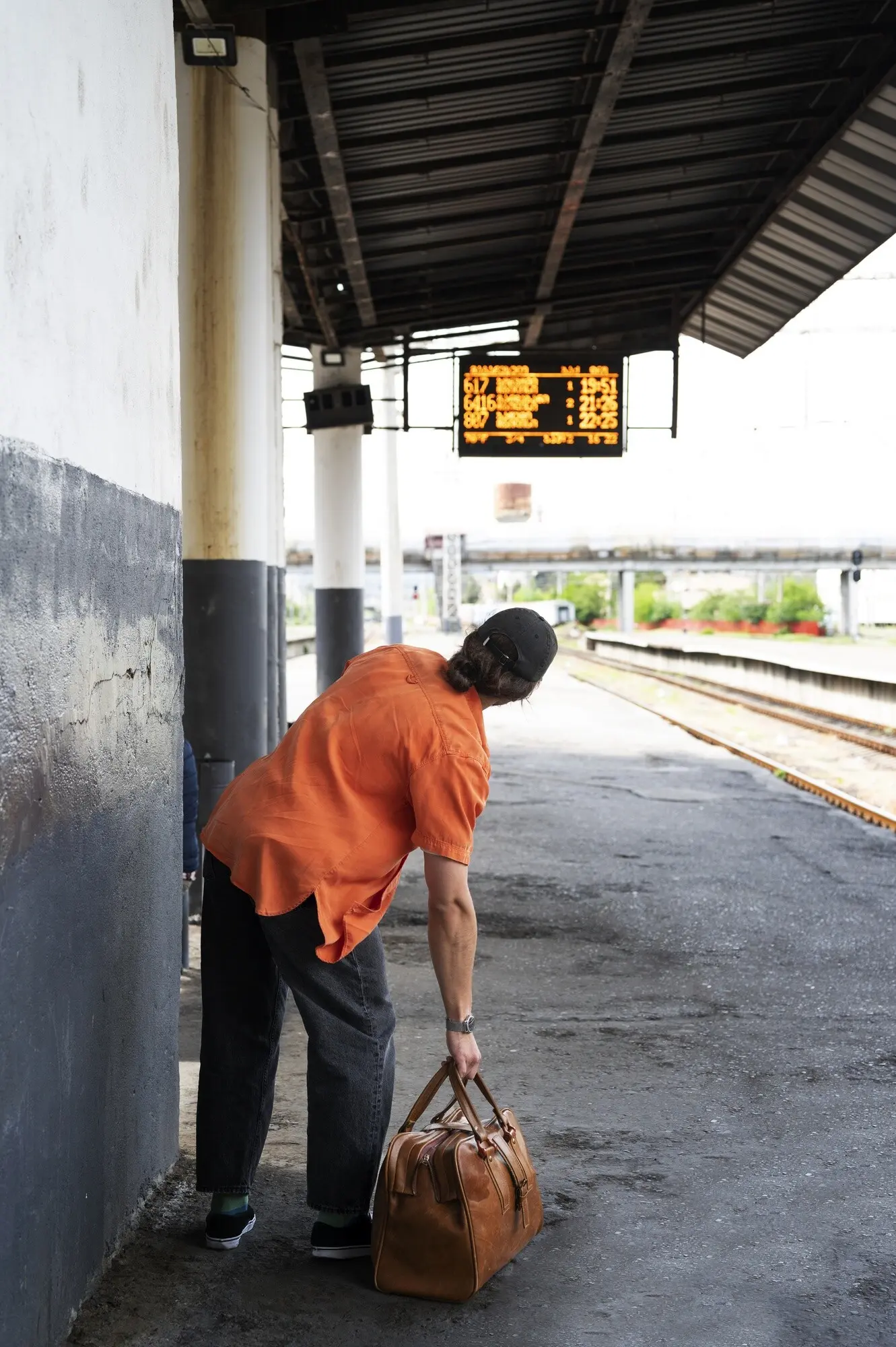
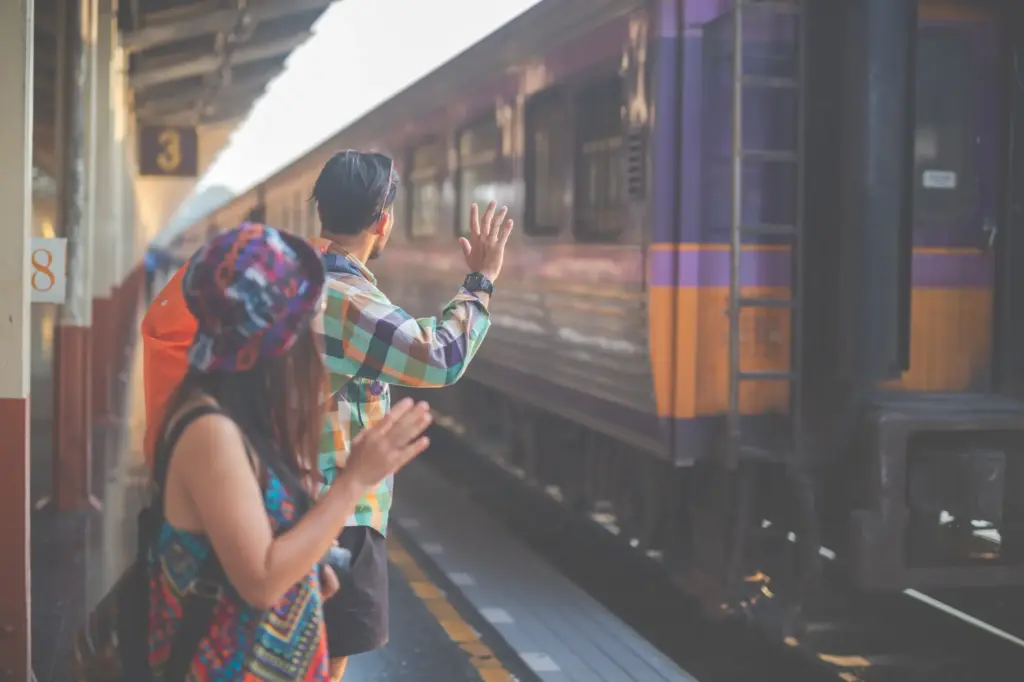
Treat timetables as helpful guides, not guarantees. Save offline schedules, bookmark service alerts, and star alternative stops within cycling reach. If a connection vanishes, shorten the loop or pivot to a nearby campground you pre-identified as Plan B. Communicate with companions, snack early to avoid bonks, and reframe delays as found time. Many memorable sunsets appear after a reroute, and a composed mindset keeps morale high. The goal is rest, renewal, and safe return, not perfection.

Riding or Walking After Dark, Lighting and Visibility

Carry a bright front light with a stable mount, a redundant backup, and a taillight with steady and pulsing modes. Angle beams downward to avoid dazzling others. Wear a reflective vest or sash and consider ankle bands for dynamic motion cues. On foot, keep a headlamp low and bring a tiny lantern for camp tasks. Slow down, announce passes early, and maintain extra space from traffic. Being seen and prepared transforms night movement into calm, almost meditative travel.

Simple Food that Fuels Miles and Smiles

Meals should be effortless, packable, and satisfying. Combine calorie-dense staples with a few fresh accents picked up near transit stops. Aim for quick assembly in limited light and minimal cleanup at leave-no-trace sites. Hydration drives performance, so plan water confidently. Practice your system at home—timing boils, measuring portions, and stowing trash. When hunger is managed, conversations deepen, sunsets glow brighter, and morning departures happen smoothly. Delicious simplicity is a secret engine for joyful, repeatable car-free escapes.

No-Cook, Low-Bulk Menus for Warm Evenings

Build hearty wraps with tortillas, nut butter, honey, and crunchy seeds. Add a sharp cheese, dried fruit, and a handful of greens from a small market near your transit stop. Mix instant oats with powdered milk and cold water for dessert or breakfast. Pack olive oil mini-bottles for flavor and calories. Keep everything in resealable bags, separating salty and sweet. When daylight fades, dinner assembles in minutes, leaving you time to wander and watch the sky turn indigo.

Tiny Stoves, Fuel Choices, and Pot Tricks

A compact canister stove boils fast and behaves predictably in breezes with a light windscreen. Alcohol stoves weigh less but require patience and careful priming. Solid fuel excels for simplicity, though slower and smellier. Whatever you choose, carry stable support, a reliable ignition backup, and a lid for efficiency. Nest your mug, bowl, and spoon inside a one-liter pot, wrap the stove in a bandana, and dedicate a pouch for fuel. Cleanup shrinks, packdown speeds, and evenings relax.

Stories, Inspiration, and Your Next Departure

Real experiences make this feel doable tonight rather than someday. We share quick microadventures that began after work and ended with morning meetings, plus tips from riders, walkers, and transit commuters who shaped resilient routines. Read, borrow, and remix ideas to fit your neighborhood and schedule. Then tell us how it went. Comment with questions, subscribe for fresh routes and checklists, and join a growing circle of people finding stars and quiet within reach of a single ticket.

A First Overnighter That Changed a Week

He left the office at six, pedaled a river path, and pitched a tarp under cottonwoods before dark. Dinner was crackers, cheese, and a sliced apple from the station kiosk. Owls called; traffic softened to a distant lullaby. At dawn he brewed coffee, watched herons, and coasted home grinning. Meetings felt lighter. The distance was tiny, yet everything shifted. Simplicity, it turned out, was less about remoteness and more about intention and a bag packed by the door.

Family-Friendly Variations without a Car

Swap mileage goals for discovery time. Choose a train with generous stroller space, a flat lakeside path, and a campground offering hiker-biker sites near restrooms. Pack a hammock and lightweight storybooks, plus extra snacks in bright, kid-visible pouches. Build in play stops at fountains, playgrounds, and sandy coves. Keep bedtime cozy with familiar pajamas and a tiny lantern. Return by late morning so naps happen at home. Shared joy, not distance, becomes the treasured measure of success.

Share Your Route, Tip, or Question with Us

Have a brilliant transit connection, a quiet bike detour, or a park fountain the maps forget? Tell us. Comment with your best micro-campsite, packing tweak, or timing trick, and help someone else launch their first car-free night. Ask anything—permits, safety, shoulder seasons—and we’ll answer in future posts. Subscribe to catch new overnight ideas, printable lists, and reader spotlights. Your experience powers this community, turning small experiments into a living atlas of welcoming, reachable escapes.
Nilovanipalodaxinariveltoteli
Privacy Overview

This website uses cookies so that we can provide you with the best user experience possible. Cookie information is stored in your browser and performs functions such as recognising you when you return to our website and helping our team to understand which sections of the website you find most interesting and useful.